








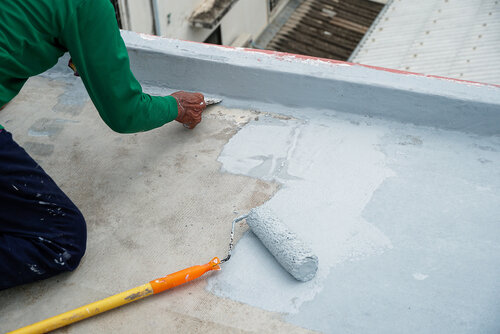
Because No One Likes Leaky Walls, Right?
Picture this: you’ve just built a beautiful new home. The walls are freshly painted, the roof is flawless, and everything smells like “new.” Then… it rains. And suddenly, you spot a damp patch in the corner. The paint starts peeling. The smell changes.
That’s the moment you realize—waterproofing isn’t just a finishing touch. It’s a foundation decision.
And it starts with one simple question:
What kind of cement did you use?
If you want a long-lasting, water-resistant home, PPC cement might just be the best decision you’ll ever make. Let’s break it down in the simplest way possible.
First, What Exactly is PPC Cement?
Let’s keep it simple.
PPC stands for Portland Pozzolana Cement. All that means is it’s regular cement mixed with natural or industrial materials like fly ash, which is amazing at strengthening concrete over time and helping it fight off water damage.
So while it might not sound flashy, ppc cement is like that dependable friend who quietly holds everything together—rain or shine.
So Why is PPC the Best for Waterproofing?
Water damage doesn’t just mess with your walls—it messes with your peace of mind. And while paints and waterproof coatings help, nothing beats built-in protection. That’s what ppc cement gives you.
Here’s why people swear by it:
- It resists moisture naturally.
The special blend in PPC doesn’t let water creep in easily. It’s less likely to crack.
Because it generates less heat as it sets, surface cracks are rare. It gets stronger with time.
Unlike OPC cement, PPC continues to harden and protect long after the job is done. - It’s great for plaster and finishing.
Smooth walls, fewer touch-ups. - It’s more eco-friendly.
Good for your home and the environment.
Honestly? It just makes sense.
Let’s Compare: PPC Cement vs OPC Cement
Not sure how PPC stacks up against the regular stuff (OPC)? Here’s a quick and easy look:
| Feature | PPC Cement | OPC Cement |
| Water Resistance | Excellent – Best for waterproofing | Moderate – Needs extra protection |
| Surface Cracks | Less likely – Cooler setting | More likely in heat-prone areas |
| Strength Over Time | Improves steadily | Strong early, levels off later |
| Great For | Bathrooms, basements, roofs | Fast-track or large-scale work |
| Eco-Friendly | Yes – Contains fly ash | Not as sustainable |
Where Should You Use PPC Cement?
Wherever there’s water. Seriously.
If any part of your home might get wet—use ppc cement there.
Perfect places include:
- Bathroom walls and floors
- Kitchen sinks and wet counters
- Basements (where dampness loves to sneak in)
- Rooftops and terraces
- Overhead tanks and water storage areas
- External walls exposed to rain
Basically, anywhere you don’t want to see mold or peeling paint in a year.
Is It More Expensive?
Not really. In fact, it’s often priced similar to OPC. The real savings come later—because you’re spending less on repairs, waterproof coatings, repainting, and stress.
Think of it this way: spend a little smarter now, avoid a big headache later.
Using PPC Cement: Quick Tips for Best Results
Don’t worry—using ppc cement isn’t rocket science. Just keep these simple things in mind:
- Store cement in a dry place (wet bags = wasted money).
- Don’t add too much water. Stick to the right ratio.
- Give it time to cure properly (7–14 days is ideal).
- Use clean, fresh water for mixing.
- Ask your mason or contractor for help if needed—they’ll know.
Final Thoughts:
Waterproofing doesn’t start with paint. It starts with the right cement.
And if you want a strong, worry-free home that lasts through rain, monsoon, and beyond—ppc cement is your best bet.
It’s affordable. It’s reliable. It’s the best water-resistant cement for Indian homes, plain and simple.