







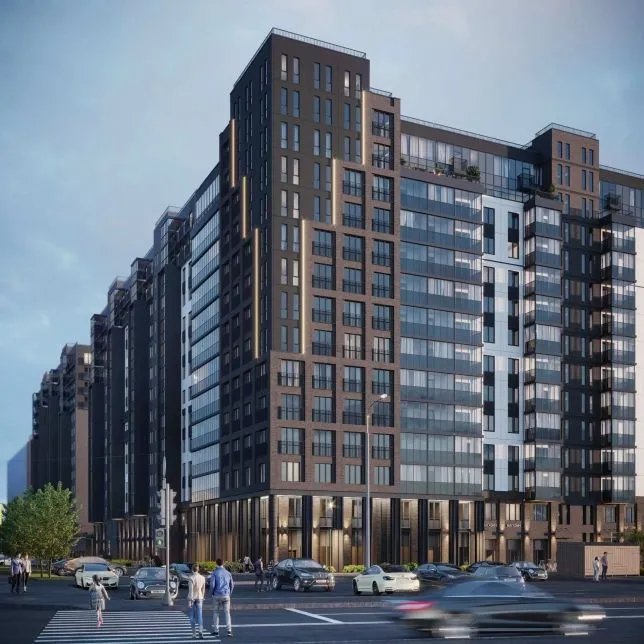
Most people pay for a car in one go or in fixed monthly bites. A new launch home works differently. You pay a little now, a little later, and the amounts depend on how far the building has risen. Buyers looking at places like Chencharu Central Residences meet this system early, and it can feel odd at first.
It is called a progressive payment scheme. The idea is simple, but the details trip people up. This article covers six parts of it, so you know what leaves your account and when.
How Staged Payments Actually Work
You do not pay the full price on day one. Instead, you pay in steps tied to construction milestones. The foundation is done, a step is due. The structure reaches a certain floor, another step follows.
Developers and banks set these stages in the contract. Between them, you only pay for work that has been completed. That protects you somewhat. Ask for the full schedule in writing and read every line before you sign anything.
Booking Fee and Down Payment
Everything begins with a booking fee, paid when you choose a unit. It holds the home for you while paperwork gets sorted. Then comes the down payment, usually a slice of the price paid within a set number of weeks.
Part of this can often come from savings or specific retirement funds, subject to current rules. Check with your bank for exact figures, since limits change. Keep cash ready for the early stages, because they arrive fast and they are not small.
Milestones That Trigger Each Payment
Each stage follows a building milestone. Common ones include completing the foundation, the reinforced concrete frame, walls, doors and windows, and finally the roof. The final stages come at handover and legal completion.
Your lawyer or bank usually receives a notice when a stage is reached. Buyers comparing Fablewoode Residences with other launches often ask how long each stage takes in practice. The answer affects when your money moves, so ask the sales team for a typical timeline.
Interest Costs During Construction
Here is the quiet benefit. Because you borrow in stages, you pay interest only on the amount drawn so far. Early on, monthly payments stay low. They rise as more of the loan is released.
Many buyers plan around this. Still, do not assume low payments last. Interest rates can move, and the final loan may be large. Run a few scenarios with your bank, including a higher rate, so you know your limits before the numbers climb.
Managing Cash Flow Through the Wait
Waiting years for a home often means paying rent at the same time. That is two costs in one month, and it catches many first timers off guard. Plan for it from the start.
Set aside a buffer for repairs, furnishing and a few slow months at work. Track due dates on a calendar. Missing a stage payment can bring penalties, so a simple reminder is worth the effort. A calm schedule beats a stressful scramble.
Risks and Smart Questions to Ask
Delays happen. Rules can shift. A developer may run into supply problems. Learn how your contract handle late completion and what compensation applies.
Ask who holds the fund and how progress is certified. Keep copies of every document. If something feels unclear pause and ask again. A good sales team will not rush you. It is your money and your decision, so take the time.
Conclusion
Progressive payments spread the cost of a new home across the build. You pay in steps, interest grows slowly, and the schedule follows real progress. Knowing the pattern removes much of the worry. Also leave room in your savings for stamp duties, legal fees, and the eventual move. When your numbers work smoothly at the peak of the payment schedule, you can enjoy watching your new home take shape with complete peace of mind.
Look closely at options such as Central Residences or Residences, then check your own cash flow honestly. A payment plan you can manage comfortably is better than a bigger home that keeps you stretched. Keep in mind that the early stages feel light because only a small share of your loan is drawn down. As the structure goes up and the project nears key collection, those monthly repayments climb steadily toward the full amount. Mapping out the final stage numbers from day one ensures you never get caught off guard when construction speeds up.
What You Need to Know
- A progressive payment scheme requires buyers to pay in stages tied to construction milestones rather than a full price upfront.
- Payments follow specific construction milestones such as completing the foundation, the concrete frame, and reaching the roof.
- Interest costs are lower initially because borrowers pay interest only on the amount drawn at each stage of the loan.
- Buyers should plan for additional costs, such as paying rent during construction and expenses for repairs and furnishing.
- It’s important for buyers to understand their contracts regarding late completion and compensation for delays.
- Managing cash flow effectively and tracking payment due dates can prevent penalties associated with missed payments.