






Destination URL: https://alcofurniture.com/
A Markham Homeowner’s Comparison of Water Removal, Airflow and Moisture Control
Drying plans fail when the room is treated as one uniform surface. With a carpeted den after a fish-tank failure was contained quickly, the important distinction is between the visible improvement and the slower material that may still need a deliberate response.
Set fair comparison criteria for carpeted den
The working clue is a wet carpet surface, a cool pad edge and a room that still feels humid after mopping. That is not a diagnosis on its own, but it is enough to stop the cleanup from being driven by a guess.
A careful setup for a carpeted den after a fish-tank failure was contained quickly makes room for reassessment. The first rental may be appropriate, yet the room can reveal a different issue once a rug is lifted, a door is opened or a wall edge becomes accessible. Leaving that possibility open is part of good property care, not a sign that the plan was incomplete.
Look at what each category can change for carpeted den
One common misstep is asking one category of equipment to solve every part of the job. The result can be a busy-looking room with no reliable way to tell whether the original concern has changed.
The equipment path should be planned around a wet carpet surface, a cool pad edge and a room that still feels humid after mopping. That may mean moving contents away from a wall, protecting a walking route or avoiding an extension lead across a damp area. Placement changes the result: equipment that cannot reach the relevant material may still make the room sound active while leaving the slowest area untouched.
| Rental role | Useful when | It does not replace |
|---|---|---|
| Water extraction | Liquid remains in carpeted den after a fish-tank failure was contained quickly | Drying and follow-up checks |
| Air movement | a wet carpet surface, a cool pad edge and a room that still feels humid after mopping points to exposed surfaces that need directed airflow | Removal of trapped liquid |
| Humidity control or filtration | whether the slowest material is drier at the next inspection, not merely whether the centre looks improved remains uncertain after the material is addressed | Diagnosis of the water source |
The practical decision is to compare extraction, airflow and dehumidification by the material they affect rather than by how active the room looks. It also leaves room to change course if the first inspection reveals that a different material is driving the problem.
The category only earns its place if it supports this choice: compare extraction, airflow and dehumidification by the material they affect rather than by how active the room looks. A rental is a tool inside a sequence of observation, material handling and follow-up. It should not be presented as a substitute for correcting an active leak, resolving an electrical hazard or identifying contamination.
Read a carpeted den after a fish-tank failure was contained quickly as a sequence rather than a single event. First comes the physical clue – a wet carpet surface, a cool pad edge and a room that still feels humid after mopping. Next comes the constraint created by asking one category of equipment to solve every part of the job. Only then is it sensible to decide whether to compare extraction, airflow and dehumidification by the material they affect rather than by how active the room looks.
This ordering prevents a familiar category name from taking over the conversation. With a wet carpet surface, a cool pad edge and a room that still feels humid after mopping, it also makes space for a renter or property manager to flag concerns that equipment alone cannot resolve, such as an ongoing leak, unsafe electrical conditions or water that may require specialized cleanup.
A focused sequence has a clear stopping point: the review of whether the slowest material is drier at the next inspection, not merely whether the centre looks improved. If that condition is not changing, the plan should change with it.
This comparison is about functions, not a claim that one category wins every time. In a carpeted den after a fish-tank failure was contained quickly, the relevant contrast is between the work of removing held water, controlling room conditions and checking an uncertain material. Each function has limits that the others cannot erase.
The comparison stays fair by returning to a wet carpet surface, a cool pad edge and a room that still feels humid after mopping and then to whether the slowest material is drier at the next inspection, not merely whether the centre looks improved. If the selected category does not change the condition it was chosen for, the next move is to reconsider the sequence rather than repeat the same rental by default.
Avoid claiming one tool can do another tool’s work for carpeted den
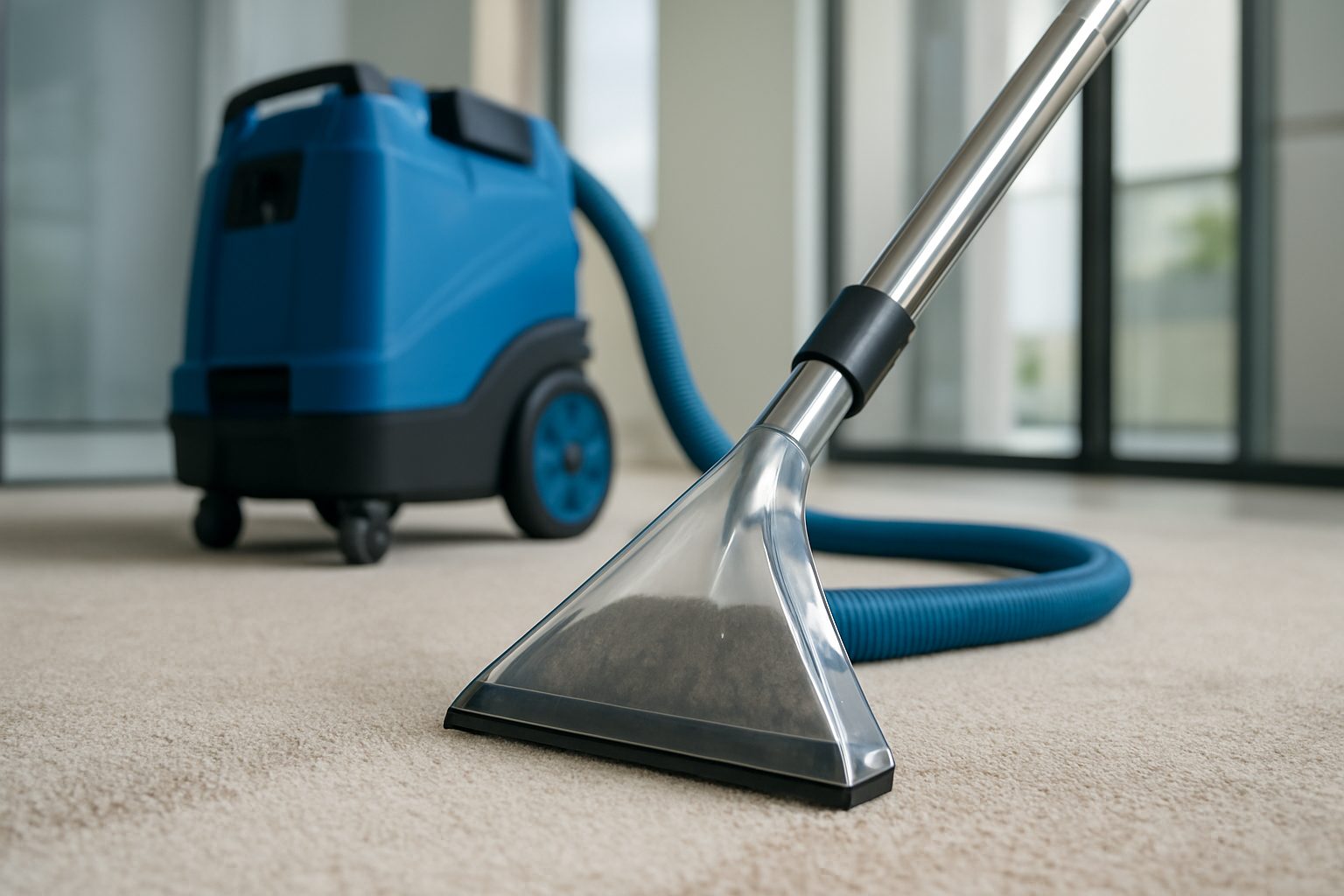
For a closer look at the category itself, see DryingEquipment.ca’s Markham carpet water extractor details. The relevant question remains whether it addresses the condition left behind after a carpeted den after a fish-tank failure was contained quickly was first cleaned up.
The useful constraint here is not a brand or a headline specification; it is the access, materials and ability to recheck whether the slowest material is drier at the next inspection, not merely whether the centre looks improved. Those details decide whether the rental becomes helpful or merely present.
Turn the comparison into a sequence for carpeted den
The follow-up should return to whether the slowest material is drier at the next inspection, not merely whether the centre looks improved. A second look is most useful when it compares the same material, edge or room boundary rather than relying on a general impression.
A good handoff point is whether the slowest material is drier at the next inspection, not merely whether the centre looks improved. If that part of the room has not changed as expected, resist the urge to cover it up with furniture or ordinary use. The next decision should be based on what the material is doing, not on how ready the room feels to reclaim.
The useful comparison is between jobs that need doing, not between loud machines.