

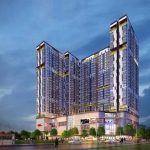




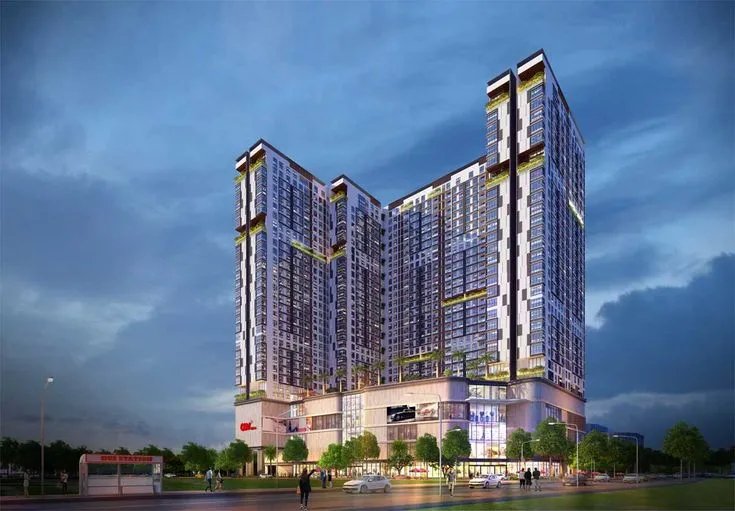
Utility bills have a way of creeping up. Aircon in summer, lights in the evening, water for everything. Over a year it adds up. Green building features aim to trim that total, quietly, by design. A development like Langdon Heights can be judged on this angle too, not only on price.
The idea is simple. A building that wastes less energy and water costs less to live in. This article covers the features that make a difference, from cooling and lighting to rainwater and solar. Savings vary by home and habits, so treat the benefits as direction, not promises. Keep reading for the details.
Smarter Design Keeps Homes Cooler
Layout matters before any gadget does. Units that avoid direct afternoon sun, with deep balconies or shading fins, stay cooler. Buyers of Chencharu Central Residences or similar homes can ask how the design handles heat. Cooler rooms mean the aircon rests more. Rest means savings.
Cross ventilation helps too. Windows placed on opposite sides let breezes pass through, so you open a window instead of switching on a unit. Good insulation in roofs and walls slows heat getting in. None of this needs a remote control. It just works, every day, without being touched. Passive wins quietly.
Efficient Appliances And Lighting
Many green rated homes come with energy efficient fittings. LED lights use far less power than old bulbs. Aircon units with higher energy ratings cost less to run, sometimes by a noticeable amount each month. Singapore’s energy label, with its tick system, makes comparing easy. Check it before buying any appliance.
Smart controls can help as well. Motion sensors in corridors, timers in common areas, and efficient lifts trim shared costs. Those savings often land in your maintenance fees. Small amounts, repeated all year. It is like a leaky tap fixed. Nobody celebrates, yet the bill goes down.
Water Saving Fixtures Pay Back
Water bills hide in plain sight. Low flow taps, dual flush toilets and efficient showerheads cut use without making life worse. In Singapore, a water efficiency label helps you pick better fittings. Over months, the difference shows up on the bill. Plus the planet gets a small break.
Some developments collect rainwater for watering plants and washing common areas. That reduces the use of treated water for jobs that do not need it. Ask whether the project does this. If it does, shared costs may stay lower. Every drop counts, as the cliche says, because it is mostly true.
Solar Panels And Shared Savings
Rooftop solar panels can power common areas such as lifts, corridor lights and pumps. When a building makes some of its own electricity, it buys less from the grid. Residents may see that as steadier or lower service charges over time. Results depend on roof size and sunshine. Singapore gets plenty.
Panels are not free to maintain, though. Ask who pays for upkeep and how savings are shared. A system that sits broken saves nothing. Look for clear management and regular reports. Langdon Heights buyers, and anyone comparing homes, should ask for actual numbers where possible. Facts beat brochures.
Green Certifications Worth Checking
In Singapore, the Green Mark scheme rates buildings on energy, water and environment. Higher ratings suggest better performance. Look for the certificate level in the sales material, then ask what it covers. A label is a starting point, not a guarantee of low bills. Read beyond the badge.
Certification can also help resale. Buyers in the future may value lower running costs and a healthier building. That demand can support prices, though no one can promise it. Ask whether the rating is for design stage or for the finished building. The difference matters. Ask politely, but ask.
Habits That Boost The Savings
Even the greenest home needs good habits. Set the aircon to a sensible temperature, say 25 degrees, and use a fan alongside it. Switch off lights when you leave. Wash laundry in full loads. Dull advice, perhaps, but it is where much of the real saving hides.
Track your bills for a few months. Patterns appear quickly, like that fridge working overtime or the standby gadgets quietly sipping power. Many utility providers offer apps for this. Once you see numbers, you act. Small adjustments, repeated daily, beat dramatic one off changes. Boring works.
Conclusion
Green building features work in layers. Smart design keeps rooms cooler, efficient fittings cut power and water, and solar helps common areas. Add good habits at home and the monthly bills shrink. Not by magic, just by steady small gains. Over years, that quiet saving adds up nicely. Truly.
Whether you are comparing Chencharu Central Residences or another development, ask what green features are included and how performance is measured. Request real data, not slogans. A home that costs less to run leaves more room in your budget for living. Think long term. Your wallet will notice. So will the planet.
What You Need to Know
- Green building features aim to reduce utility bills by minimizing energy and water waste.
- Passive design elements, such as window placement and insulation, help keep homes cooler without the need for technology.
- Energy-efficient appliances, such as LED lights and high-rated air conditioning units, significantly lower monthly running costs.
- Water-saving fixtures and rainwater collection systems can greatly reduce water usage and expenses over time.
- Rooftop solar panels can provide electricity for common areas, potentially lowering residents’ service charges.
- The Green Mark scheme in Singapore rates buildings on sustainability, and higher ratings often correlate with lower running costs.