

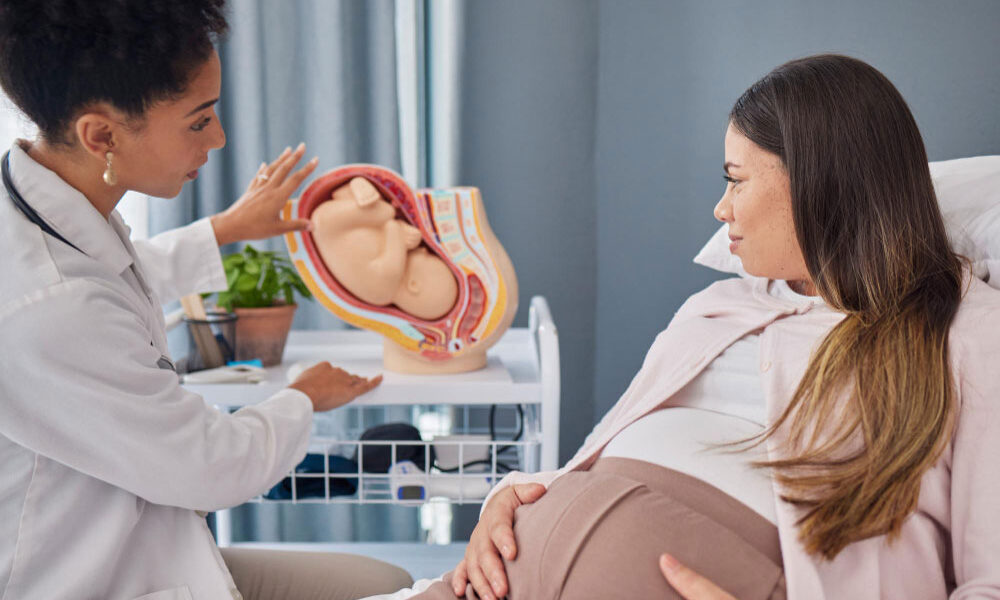
Choosing the right care team and facility for pregnancy and childbirth is one of the most important decisions a family can make. This journey involves not only the delivery itself but also months of prenatal care, emotional support, and guidance from a child specialist when required. The quality of maternity services directly influences the health and well-being of both mother and baby, while also providing reassurance and confidence throughout the process.
Pregnancy and delivery bring excitement and anticipation, along with understandable concerns. The expertise of medical staff, the quality of the environment, and the strength of support systems all play a vital role in ensuring safe, personalized, and compassionate care for every family.
Understanding What Matters in Maternity Care
Choosing the right maternity hospital involves assessing multiple factors that support health, safety, and a positive experience throughout pregnancy, labour, and beyond. Expectant parents should consider the following:
Comprehensive Medical Expertise
A quality maternity hospital provides access to skilled obstetricians, neonatologists, anaesthesiologists, and nursing staff with specialised training in maternal and infant care. Expertise in high‑risk pregnancies, emergency response, and newborn care ensures preparedness for all scenarios.
A Supportive Care Model
Beyond clinical capability, effective maternity care includes emotional support, education on pregnancy and childbirth options, and collaborative birth planning. Hospitals that prioritise shared decision‑making help parents feel informed and confident.
Safety and Emergency Readiness
Even low‑risk pregnancies can take unexpected turns. Hospitals with structured emergency protocols, advanced monitoring technology, and well‑equipped neonatal units help minimise risks and improve outcomes when complications arise.
Comfortable, Family‑Centred Environment
Patient comfort matters. Facilities that offer private birthing suites, postnatal support spaces, and family involvement policies contribute to a more personalised and less stressful birth experience.
The Value of Early Pregnancy Care
Early and regular prenatal care forms the foundation for a healthy pregnancy. Routine checkups track maternal health, monitor fetal development, and catch potential concerns early. Key components of quality prenatal care include:
- Regular ultrasounds and growth monitoring.
- Blood tests, glucose screening, and iron level checks.
- Nutritional counselling and lifestyle support.
- Education on labour options, pain management, and postpartum expectations.
A strong prenatal care programme ensures that both mother and baby receive proactive support rather than reactive treatments.
Identifying the Best Hospital for Delivery
Selecting the multi-speciality hospital means considering more than just proximity. Parents should investigate:
Delivery Experience and Philosophy
Some hospitals emphasize natural birth, others specialise in surgical deliveries such as planned caesarean sections. Understanding the hospital’s approach helps families align expectations with care practices.
Facility Infrastructure
Look for facilities with well‑equipped labour suites, continuous fetal monitoring, advanced surgical theatres, and dedicated neonatal care units.
Access to Specialists
A top maternity facility collaborates with specialists, including anesthesiologists, paediatric support teams, and maternal‑fetal medicine experts, ensuring holistic care for complex cases.
Patient Reviews and Outcomes
Feedback from previous patients and objective outcome metrics can provide insights into the hospital’s quality of care, responsiveness, and overall patient satisfaction.
Choosing a Gynaecologist You Trust
The gynaecologist you work with becomes the central figure throughout your pregnancy journey. A strong relationship with your care provider fosters trust, clear communication, and personalised guidance through every stage. Important considerations when selecting a gynaecologist include:
- Comfort with their communication style and responsiveness.
- Experience with varied pregnancy complexities.
- Shared decision‑making approach during care planning.
- Respect for your preferences and questions.
Whether you prioritise continuity of care, experience with specific delivery methods, or comfort level during consultations, selecting a care provider who truly listens can make a substantial difference in your overall experience.
Holistic Maternal Support: Beyond the Birth Room
Excellent maternity care doesn’t end at delivery. Postpartum support is a vital part of the care continuum, helping families transition to life with a newborn. Quality programmes often include:
- Breastfeeding support and lactation counselling.
- Postpartum physical recovery monitoring.
- Emotional and mental well‑being check‑ins.
- Newborn care education and immunisation guidance.
These ongoing services play a key role in establishing healthy routines and reducing stress for new parents.
Specialised Care for Newborns
A trusted maternity team understands that care extends beyond the mother to include newborn needs. Collaboration with neonatal specialists and early developmental screenings helps identify immediate or emerging concerns. Participation of a child specialist during the post‑delivery phase ensures that developmental milestones are monitored and any early interventions needed are promptly initiated.
Midwife and Support Teams
In many birthing facilities, midwives and dedicated support teams work alongside obstetricians to provide comfort‑focused care. Integration of these professionals ensures that medical safety and emotional support work hand‑in‑hand. A multidisciplinary care team enhances both practical outcomes and the overall birth experience.
The Evolving Role of Technology in Maternity Care
Modern maternity hospitals are incorporating digital tools and monitoring systems that allow for seamless tracking of maternal and fetal health throughout pregnancy. Non‑invasive monitoring, telehealth prenatal consultations, and secure electronic health records contribute to coordinated care and allow parents to stay informed and connected throughout the journey.
Making an Informed Decision
Choosing where to receive maternity care is a deeply personal decision. Families should take time to:
- Visit potential hospitals and observe facilities.
- Ask questions about care protocols and emergency processes.
- Meet gynaecologists and support staff.
- Review prenatal, delivery, and postpartum programmes.
- Understand insurance partnerships and billing practices.
Taking a proactive role in choosing care leads to greater confidence and satisfaction throughout the pregnancy journey.
Conclusion
Selecting the right maternity hospital and gynaecologist lays the foundation for a healthy, supported, and confident pregnancy and delivery experience. From early prenatal care to seamless delivery and compassionate postpartum support, the right team makes all the difference.
For expectant families seeking expert care, Ankura Hospital combines comprehensive medical support, compassionate guidance, and coordinated services that reflect a patient‑centred approach. With access to advanced facilities and experienced professionals, including dedicated, empathetic care providers, this pregnancy care hospital supports families at every stage, ensuring personalised attention and trusted care throughout the journey to parenthood.